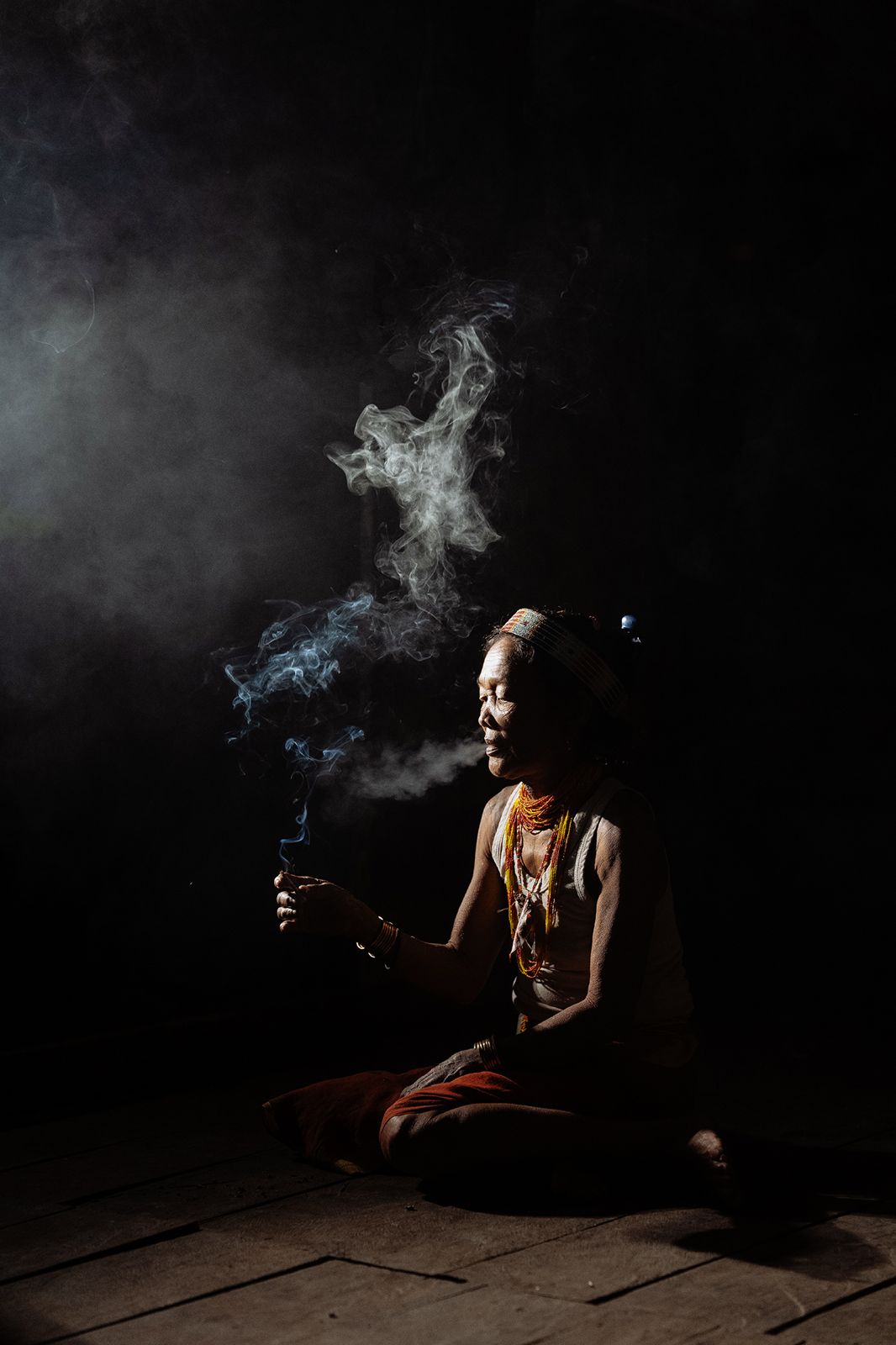
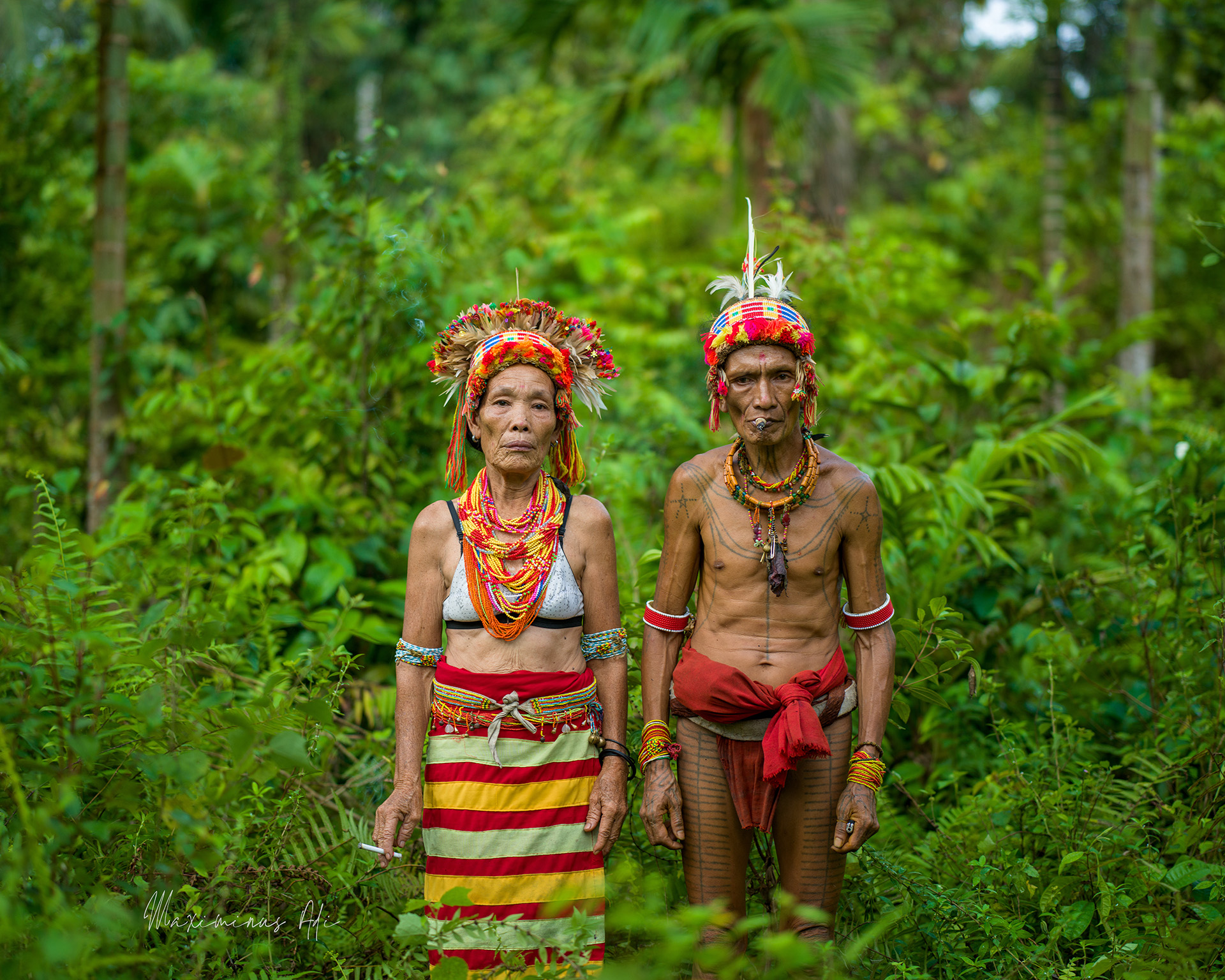
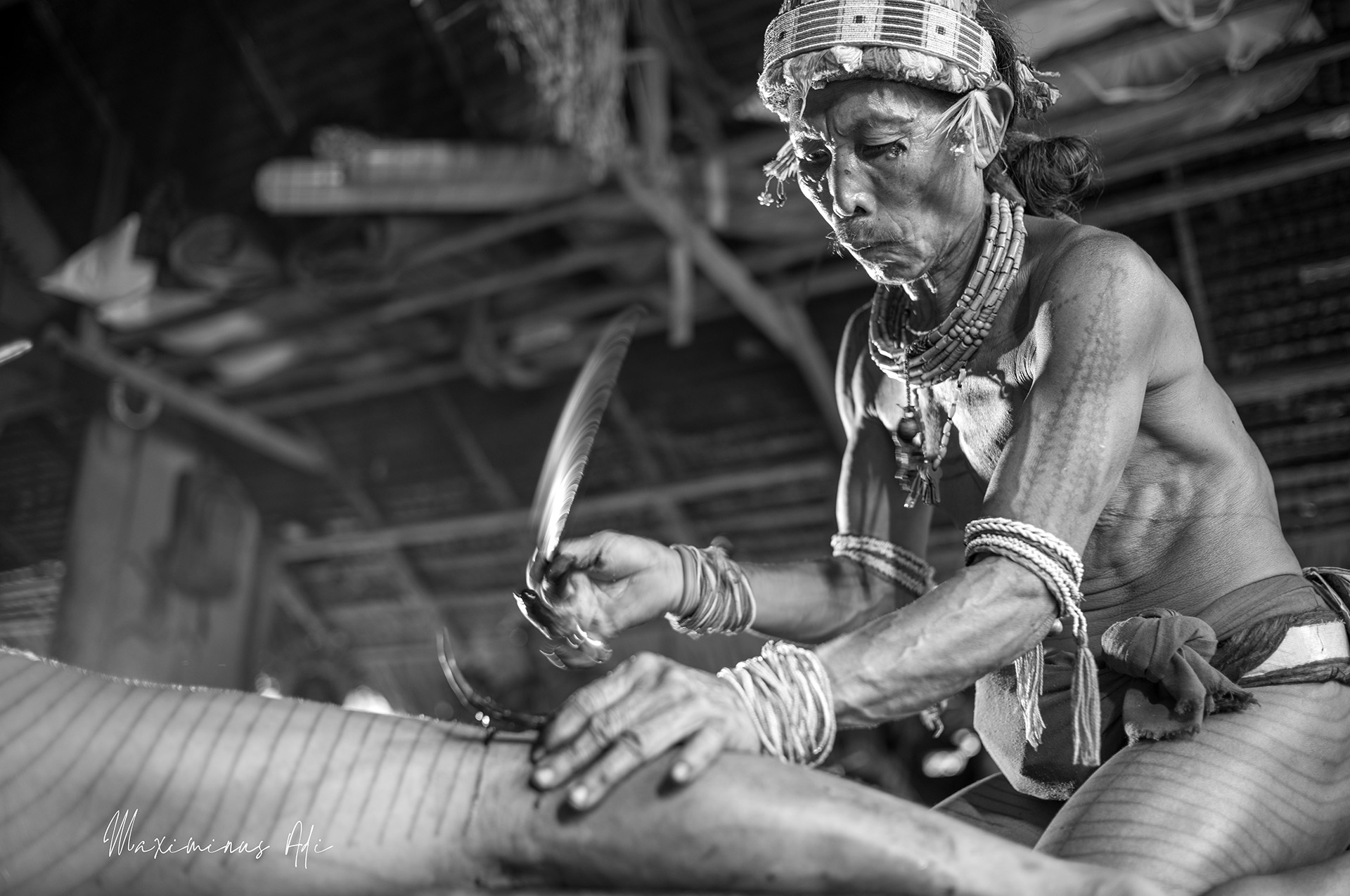
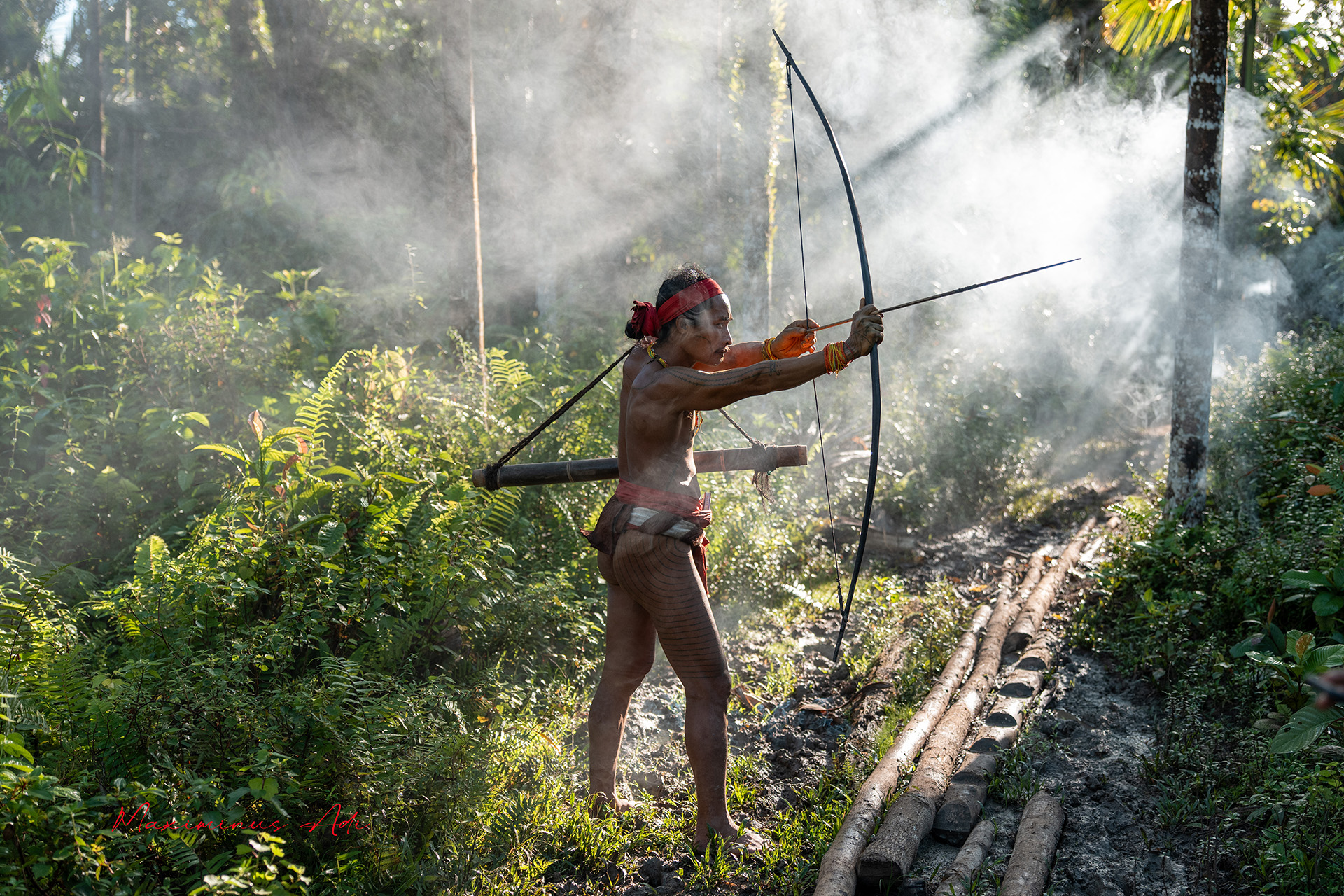
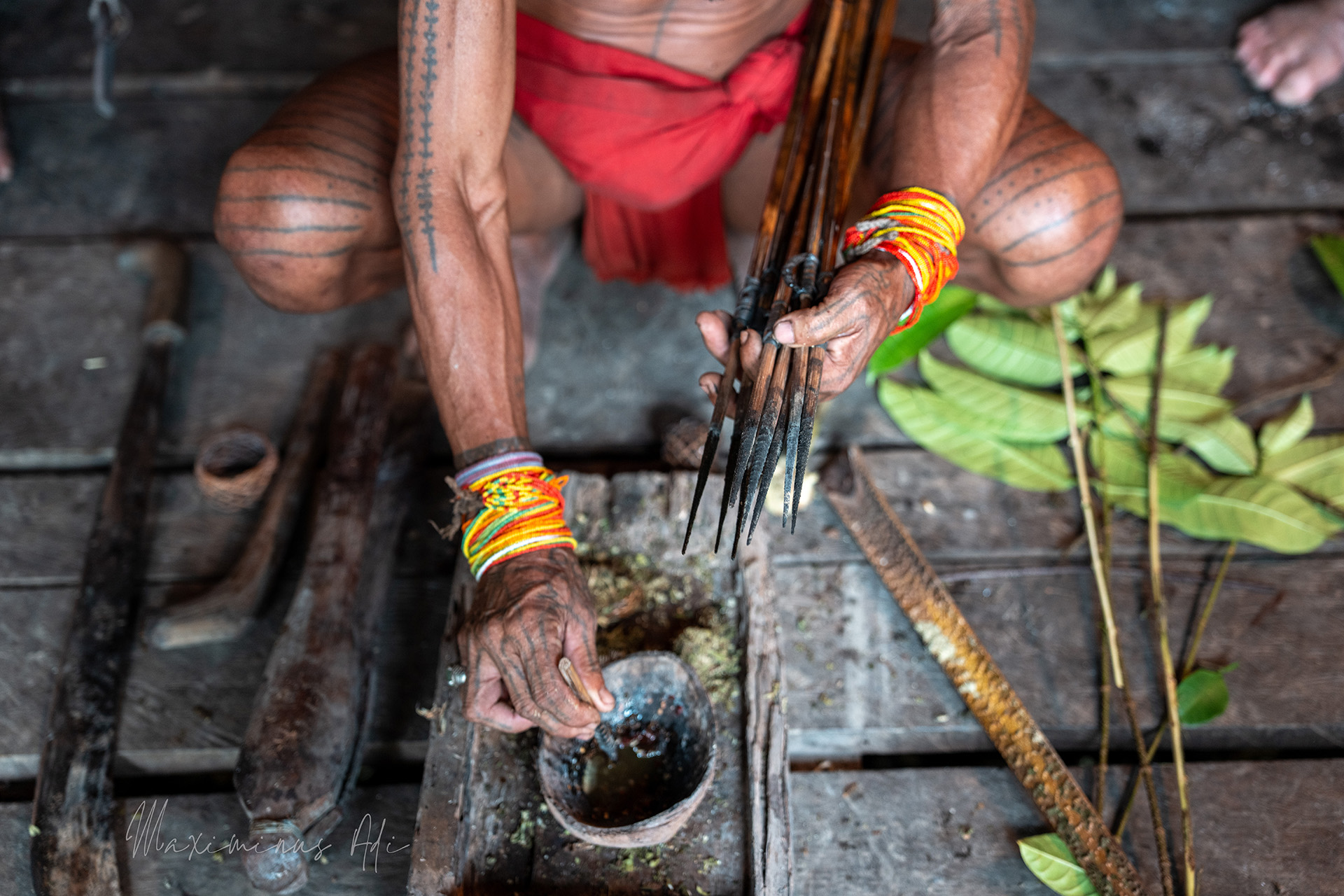
A documentary photographer’s journey to the Mentawai Islands is not just about hunting for beautiful visuals, but rather a cultural pilgrimage to capture the pulse of one of Indonesia’s oldest tribes that still maintains harmony with nature. Through the lens of a camera, this journey is about patience, adaptation, and deep respect. The following is a narrative of a photo hunting trip to the heart of Siberut, Mentawai. The journey begins from Padang, crossing the Mentawai Strait to the Siberut Estuary. However, the real visual adventure only begins when the camera must be tightly packed in a dry bag when the photographer boards a pompong (traditional wooden boat). Following the Rereiket River that cuts through the tropical rainforest, the photographer’s eyes are treated to a giant green wall. Occasionally, the hue of morning sunlight (morning glory) penetrates the river mist and gaps in the trees a magical landscape moment before entering the interior. Upon arrival at the traditional village, the center of life shifts to the Uma (the large traditional house of the Mentawai tribe). For a photographer, the Uma is both a challenge and a blessing in low-light photography. Inside the Uma, the atmosphere is very dim. Light only enters through gaps in the thatched roof or open doors. This is where the photographer’s eye sees high aesthetics. The smoke from the cooking stove rising, combined with the rays of sunlight (rays of light), creates a mystical and intimate atmosphere. Portraits of Sikerei (traditional shamans) chopping tobacco or chatting near the stove become shots that are very powerful storytelling. The Art of Rajah and Philosophy on the Skin The main focus of the lens is certainly on Titi (traditional Mentawai tattoo), which is considered one of the oldest tattoo arts in the world. Using a macro lens or close-up technique, the photographer records every geometric line on the Sikerei’s body. The lines of the tattoo are not just decoration, but symbols of the balance of nature, self-identity, and life’s achievements. Photographing the details of old fingers darkened by natural ink, or the tattoo lines flowing along the chest, provides depth to the narrative that their bodies are canvases of living history. The Harmony of Arat Sabulungan The camera then captures the interaction of the Mentawai Tribe with their natural surroundings through the belief in Arat Sabulungan (the belief that everything has a spirit). The photographer must move nimbly following the Sikerei into the forest. The lens captures dynamic moments as they concoct arrow poison from wild plants, harvest sago, or hunt. Candid photos of them communicating with forest spirits before felling trees demonstrate a deep respect for nature emotional moment captured through the lens. Night in Uma, listening to the Sikerei Mantra as night falls, the atmosphere becomes very magical. Lighting relies only on oil lamps or campfires. Photographers switch to lenses with wide apertures (f/1.4 or f/1.8) and high ISOs to capture moments of the Turai ritual (sacred dance). In slow shutter speed shots, the dynamic movements of the Sikerei dancing, imitating the movements of woodpeckers or eagles, create an artistic motion blur effect, emphasizing the trance and magical feel of the ritual. The sound of jingling brass bells and chanting mantras blend with dramatic visuals. Ultimately, photo hunting in Mentawai teaches us that the camera is merely a tool. The best work is born when the photographer puts down the camera for a moment, joins them in drinking warm tea, listening to their stories, and letting that “feeling” guide the finger when pressing the shutter button. In Mentawai, photographers don’t just take pictures, but record souls that refuse to be lost to time.