Capturing the essence of Pasola is not just about pressing the shutter button; it is about navigating the dust, adrenaline, and spirituality of the land of Sumba, East Nusa Tenggara.
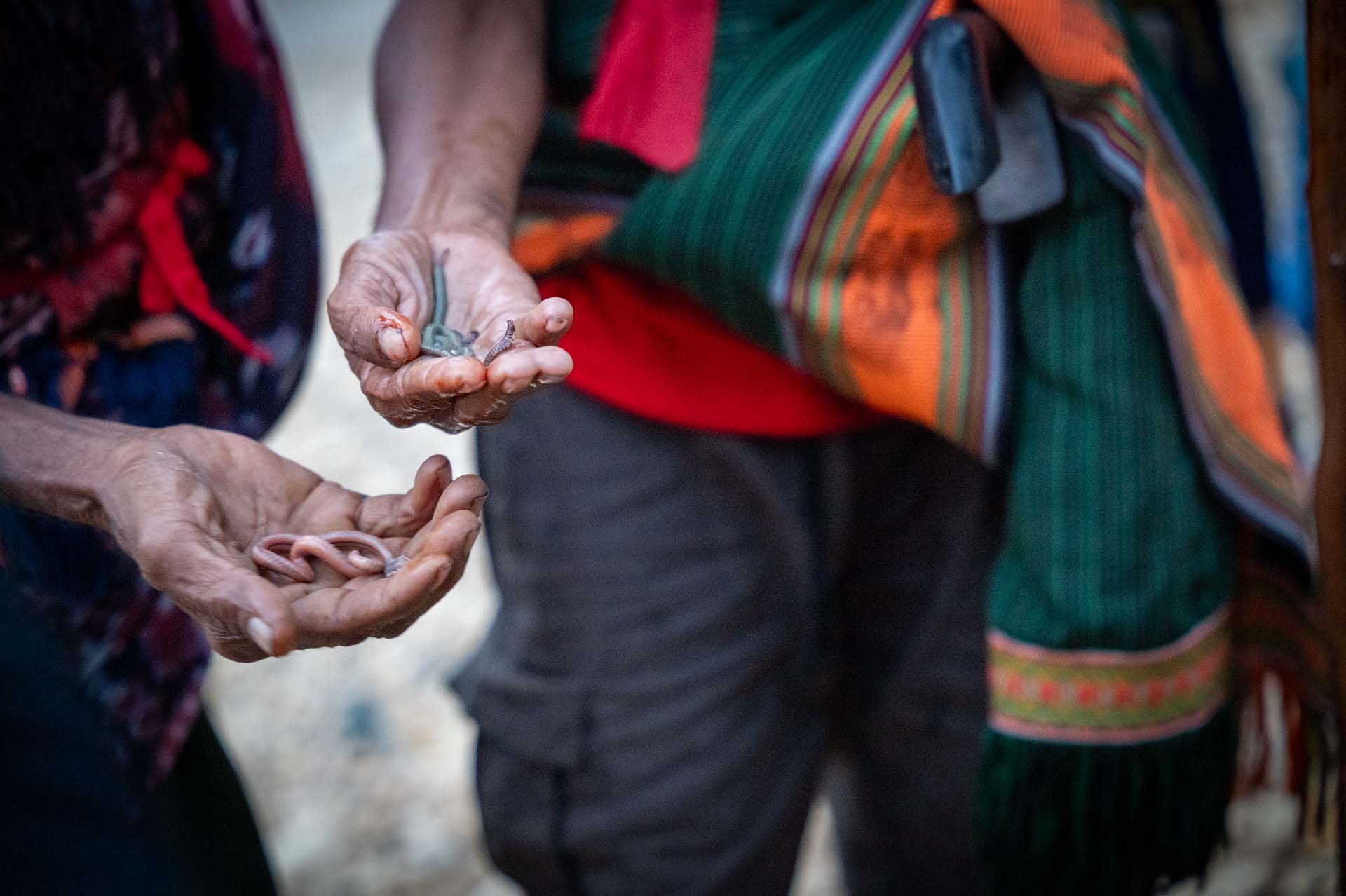
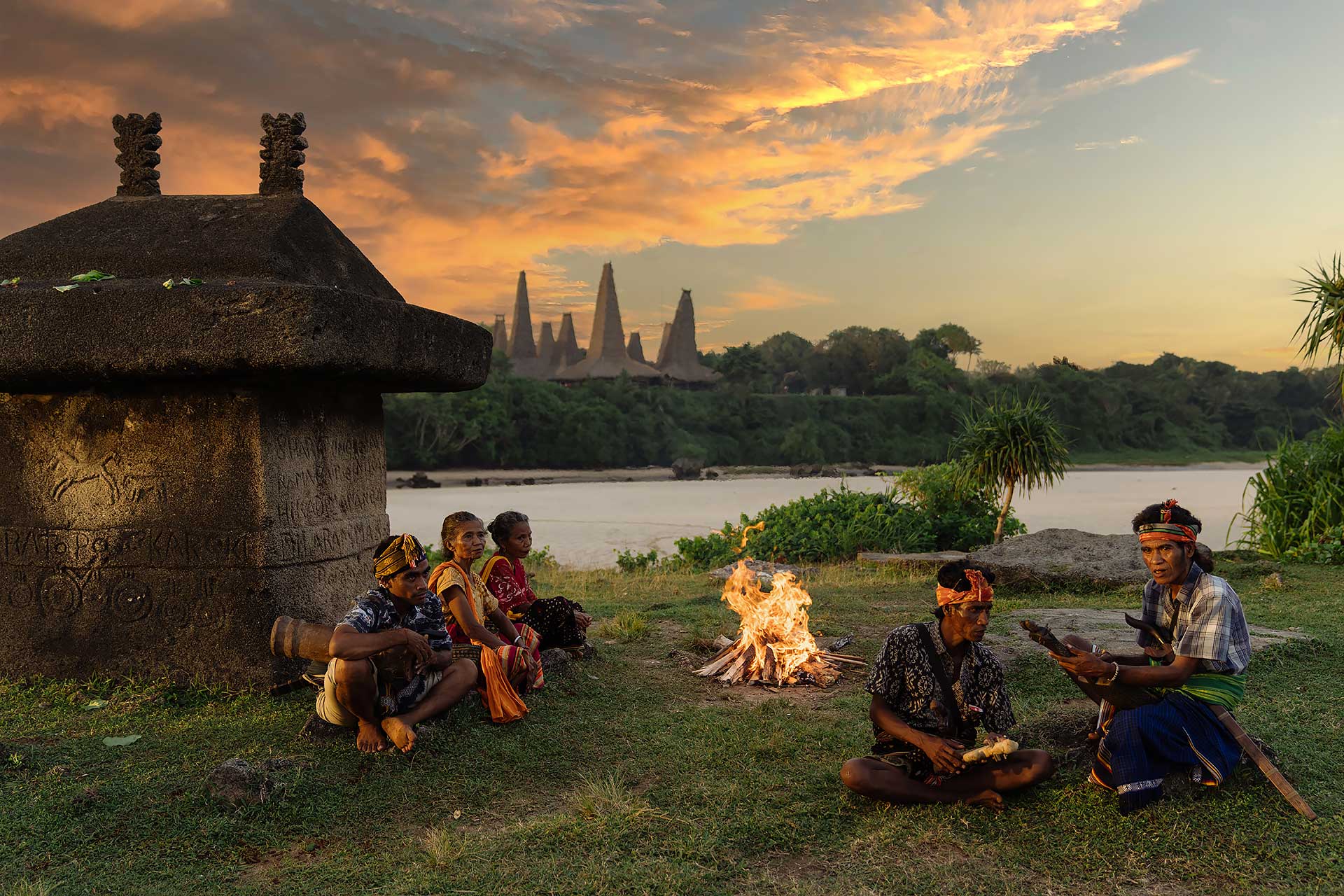
The journey doesn’t begin in the field, but rather on the coast at dawn. Photographers must join in the process, waiting for the Nyale (colorful sea worms) to appear.
The crucial moment is waiting for the traditional Queen (Rato) to inspect the Nyale to predict the harvest.
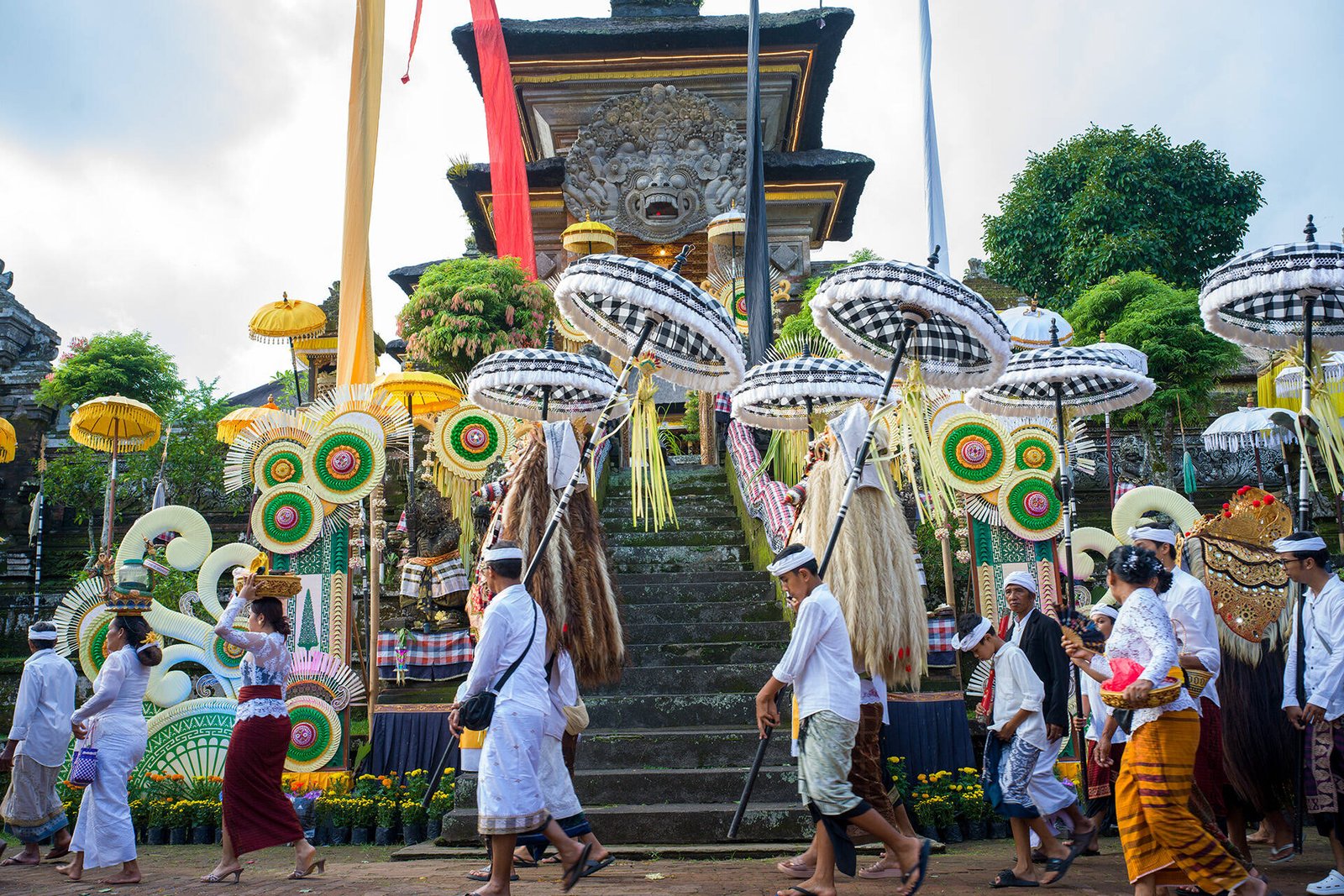
The blue hour light is minimal and the crowds are sacred. Photographers must move like shadows, using wide lenses to avoid disrupting the sacred procession with flash.
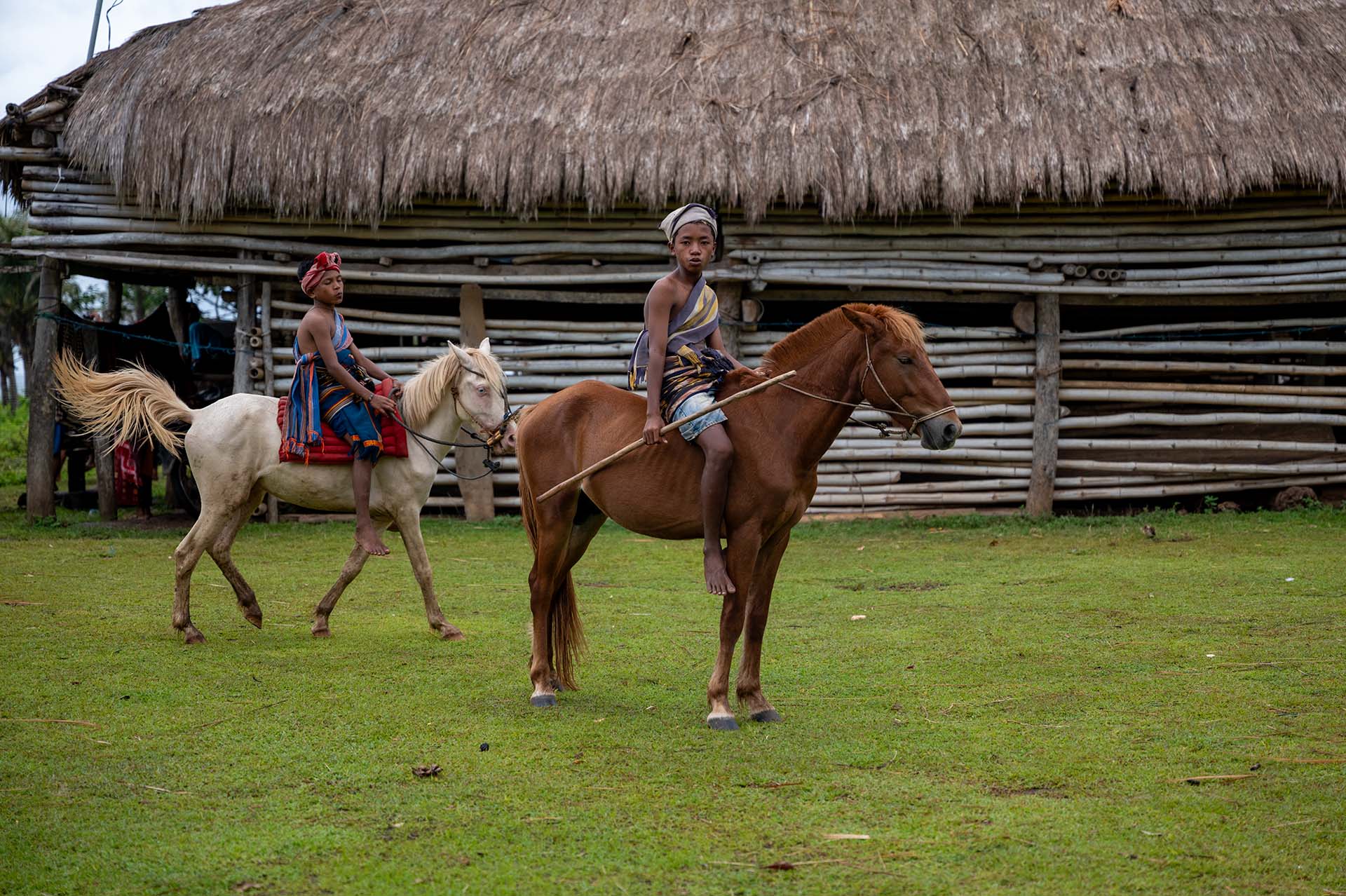
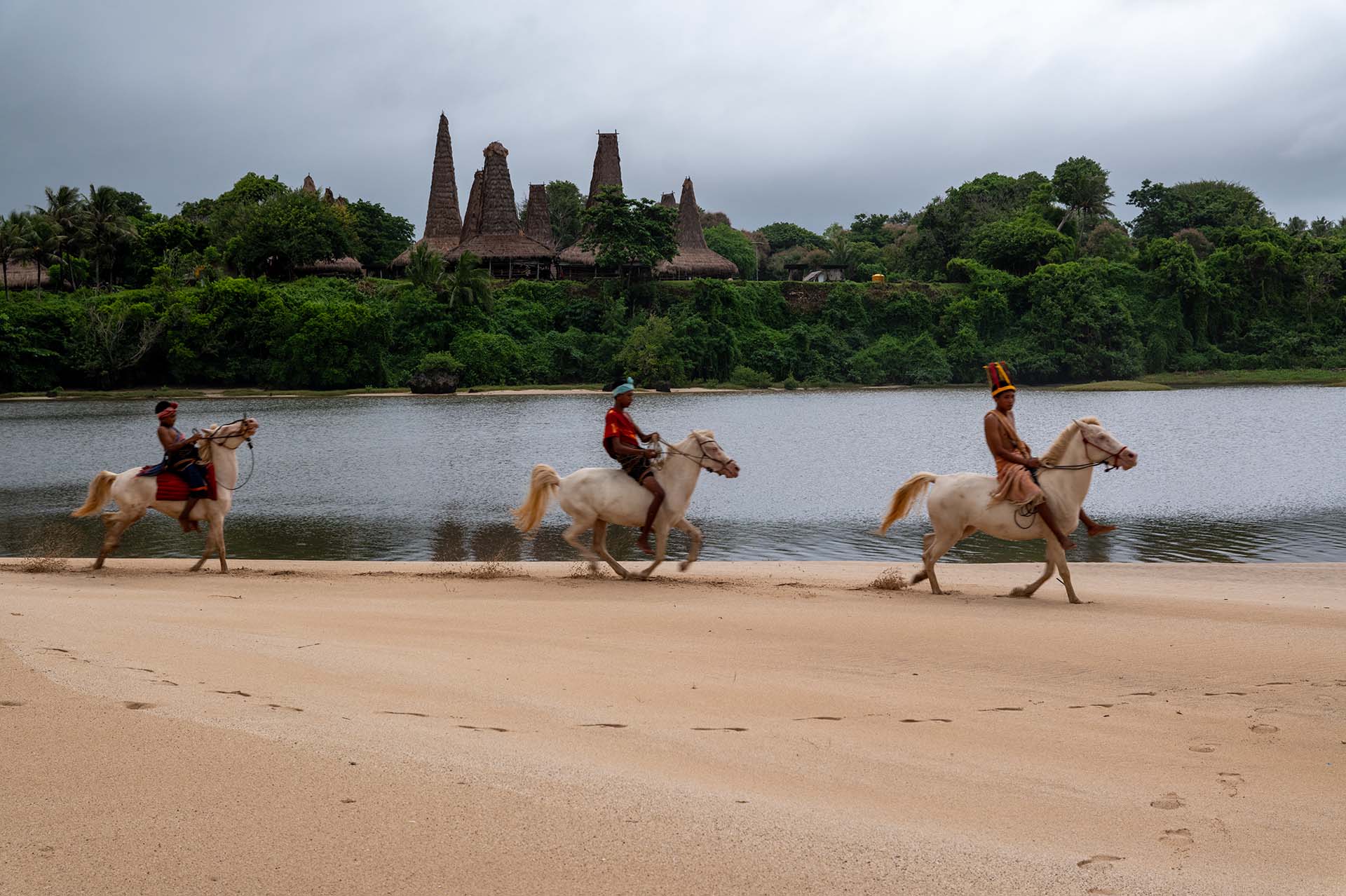
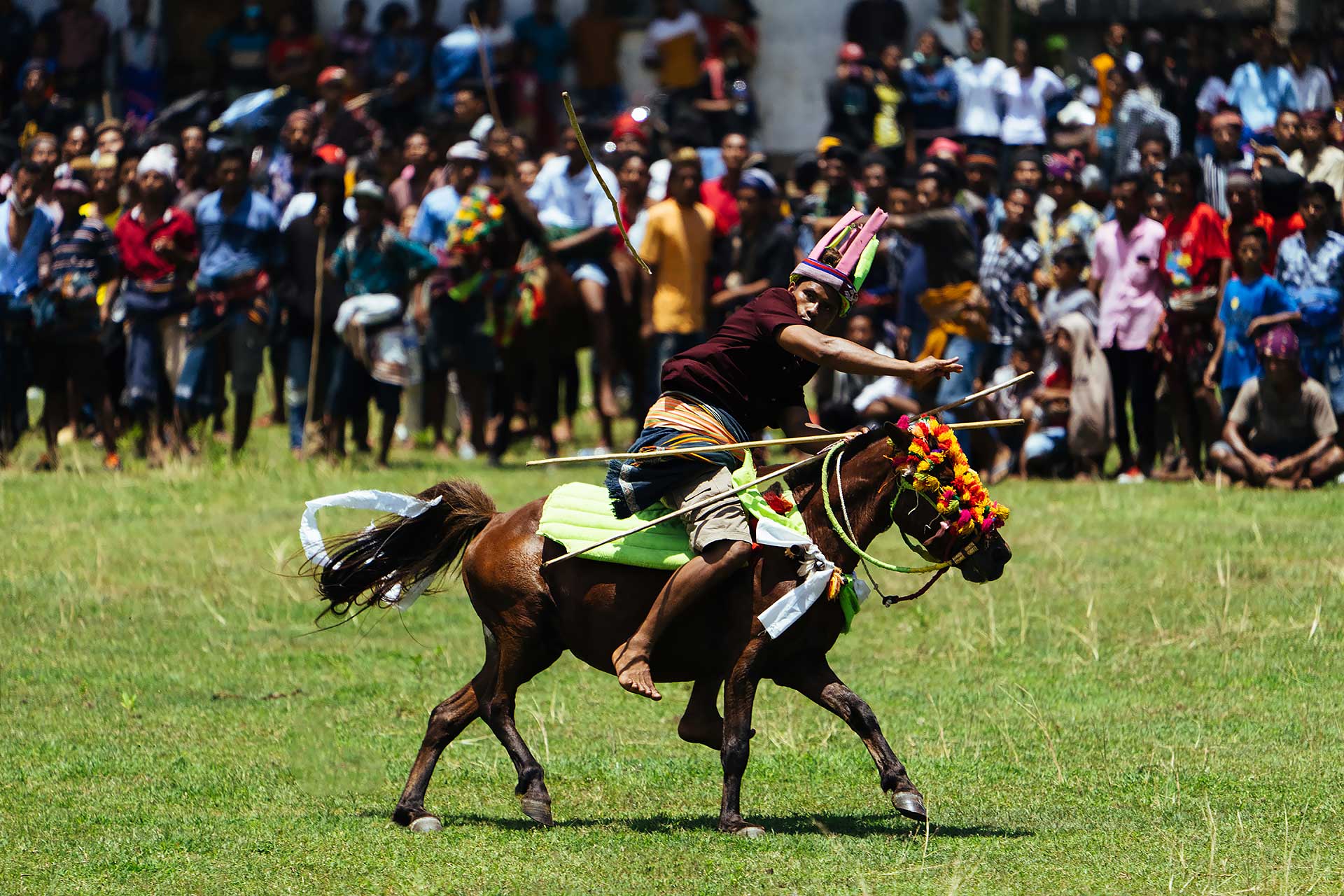
As the sun rises, the arena transforms into a battle arena. Thousands of men on horseback race at high speed, throwing hollo (wooden javelins) at their opponents.
Here, the photographer uses a telephoto lens (70-200mm) to capture the tense expressions of the fighters without getting stabbed by a stray javelin.
To the untrained eye, Pasola may appear violent. However, for a documentary photographer, their job is to capture the meaning behind the blood. In Marapu beliefs, blood that falls to the ground is an offering for the fertility of the land.
It’s not just the throwing action, but also the details of the wounds received with pride, the neighing of horses foaming at the mouth, and the cries of pajura from the sidelines.
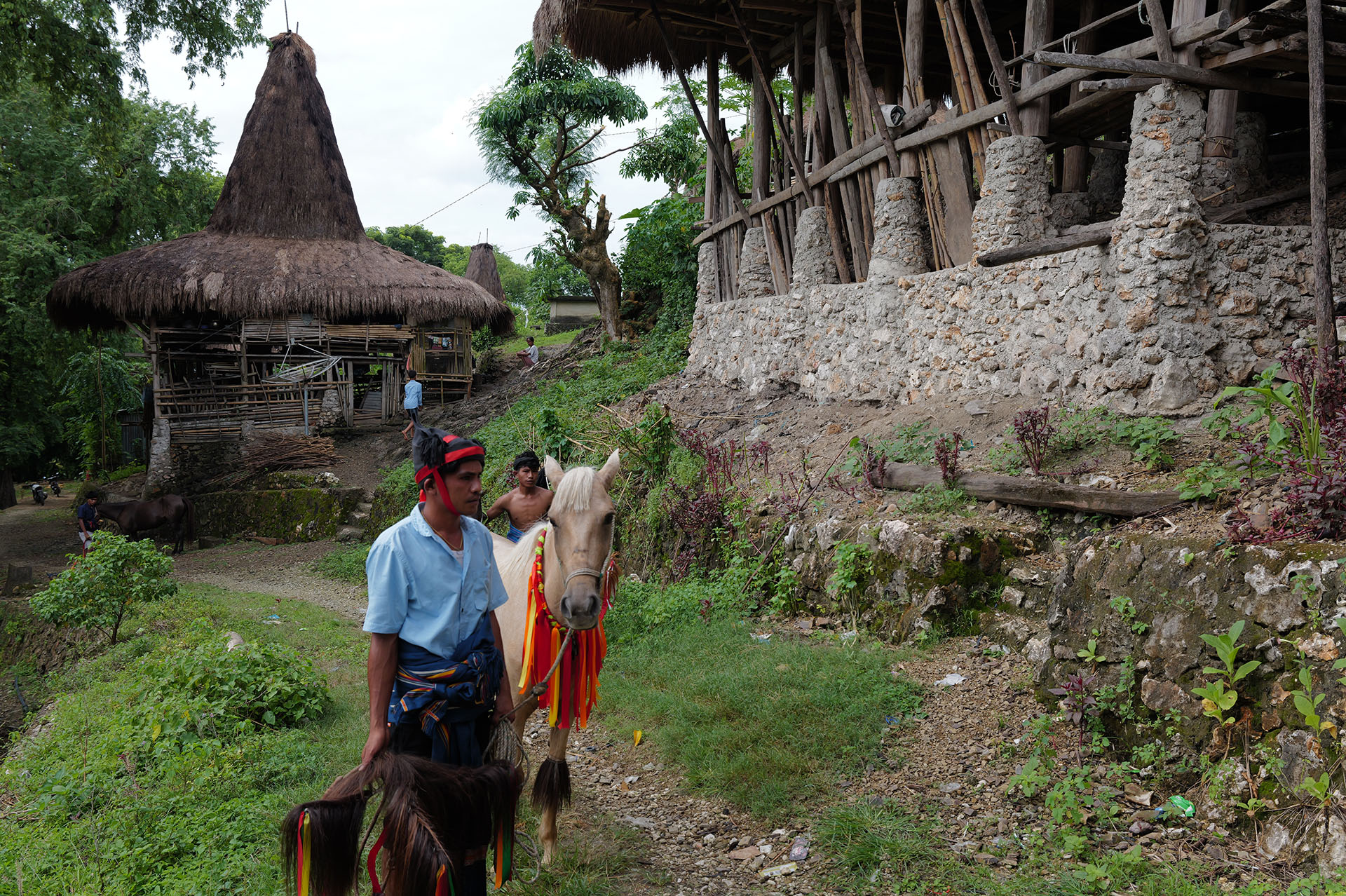
After the dust settled, the journey ended at the Rumah Gadang (traditional house). We didn’t go straight home, but instead sat with the locals, shared betel nuts, and showed off our photos.
“Pasola isn’t about who wins or loses, but about maintaining the balance of nature. Documentary photography here is about respecting tradition, not just looking for a viral photo.”
At the end of the day, we photographers returned home not only with full memory cards, but also with the scent of horse sweat and Sumba dust that would linger on our clothes for weeks a physical reminder of the intensity of the Marapu land.